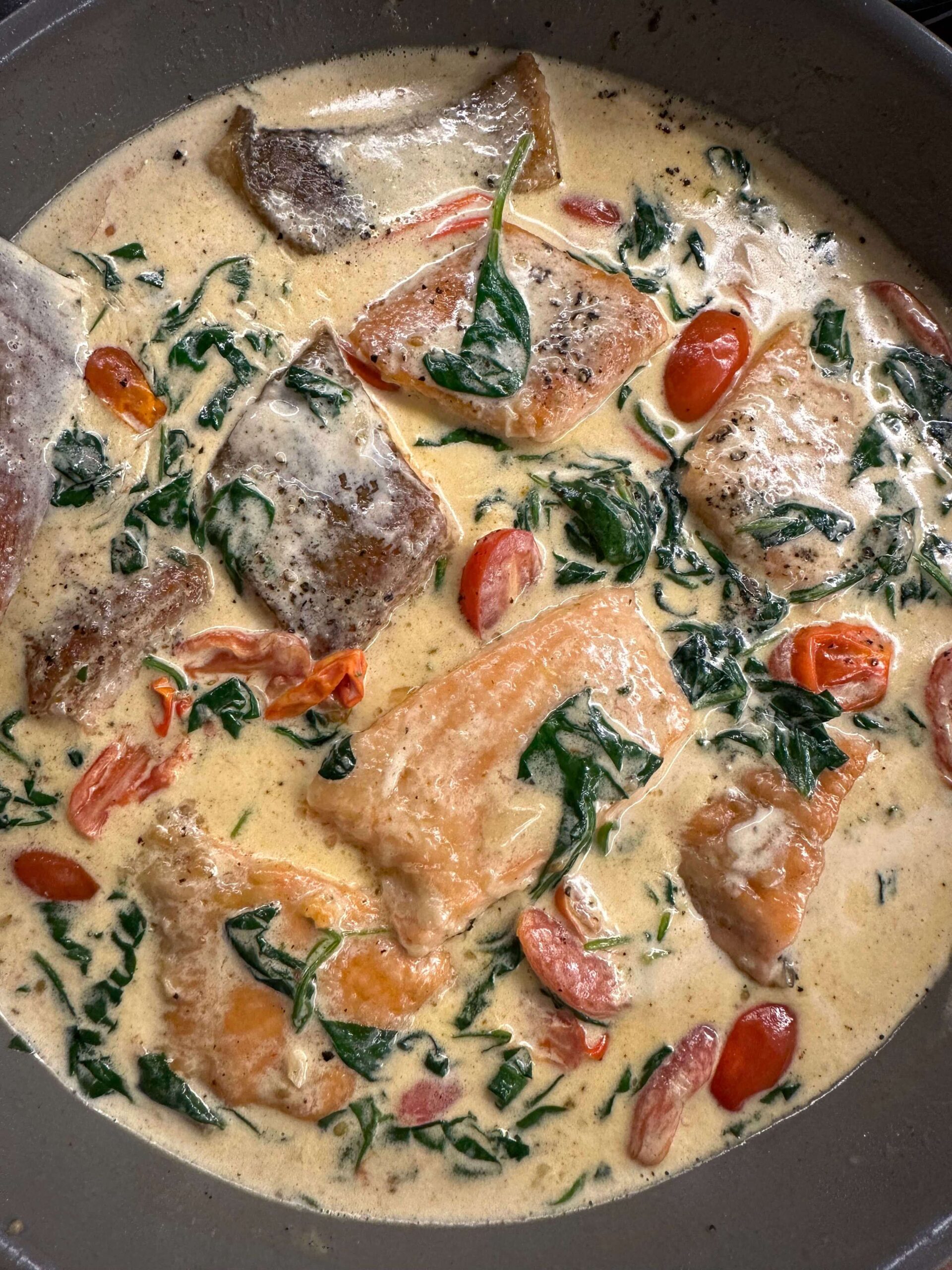
Delivering a restaurant-caliber seafood entrée at home often feels intimidating due to the delicate thermal tolerances of wild fish and the finicky nature of dairy emulsions. This Creamy Tuscan Garlic Salmon bridges the gap between weeknight speed and culinary precision. By mastering proper pan surface temperature, fond deglazing, and gentle fat emulsification, you can achieve golden pan-seared crusts and a velvety, garlic-infused sauce studded with blistered tomatoes and tender greens in exactly 30 minutes—without relying on artificial starch thickeners.
Culinary Science: The Keys to Flawless Pan-Seared Salmon
Achieving crisp exterior searing while retaining succulent, flaky muscle fibers inside relies on understanding two critical thermodynamic milestones:
- The Moisture-Searing Paradox: Water turns to steam at 212°F (100°C), while the Maillard browning reaction requires pan surface temperatures between 280°F and 330°F (138°C–165°C). If salmon surfaces enter the skillet wet, the fish steams rather than sears, yielding a rubbery gray exterior and sticking to the pan metal.
- Albumin Extrusion Prevention: Those unappealing white protein droplets that often leach out of cooked salmon consist of coagulated albumin. Albumin squeezes out when muscle fibers contract too violently under rapid overcooking. Gentle residual simmering in the sauce holds internal temperatures right at 125°F–135°F (52°C–57°C) for medium doneness, keeping the proteins relaxed.
Ingredient Specifications & Flavor Dynamics
- Salmon Fillets: 4 center-cut portions (approx. 6 oz / 170g each). Center-cut fillets feature consistent thickness from edge to edge, ensuring uniform cooking rates.
- Fat Blend for Searing: 1 tbsp high-smoke point oil (avocado or light olive oil) paired with 1 tbsp unsalted butter. The oil raises the thermal threshold, allowing butter milk solids to brown into nutty aromatics without burning.
- Fresh Garlic: 6 medium cloves, finely microplaned or minced. Microplaning ruptures more alliinase cell walls, creating an intense savory garlic backdrop.
- Heavy Whipping Cream: 1 cup (minimum 36% butterfat). Lower-fat dairy or half-and-half contains too much water and will separate when hitting acidic tomato juices.
- Low-Sodium Broth: 1/3 cup rich vegetable or poultry stock to dissolve the caramelized pan fond and lighten the sauce viscosity.
- Blistered Tomatoes: 1 cup whole sweet cherry tomatoes, sliced in half. High heat caramelizes their natural fructose into sweet-tart flavor bursts.
- Tender Greens: 3 cups mature baby spinach, destemmed and dried.
- Aged Parmigiano-Reggiano: 1/2 cup finely microplaned directly from the wedge. Natural glutamates provide deep umami and bind the dairy fats cleanly.
- Aromatics & Seasoning: 1 tsp dried Mediterranean oregano and basil, 3/4 tsp fine kosher salt, and freshly cracked tellicherry black peppercorns.
Step-by-Step Culinary Workflow
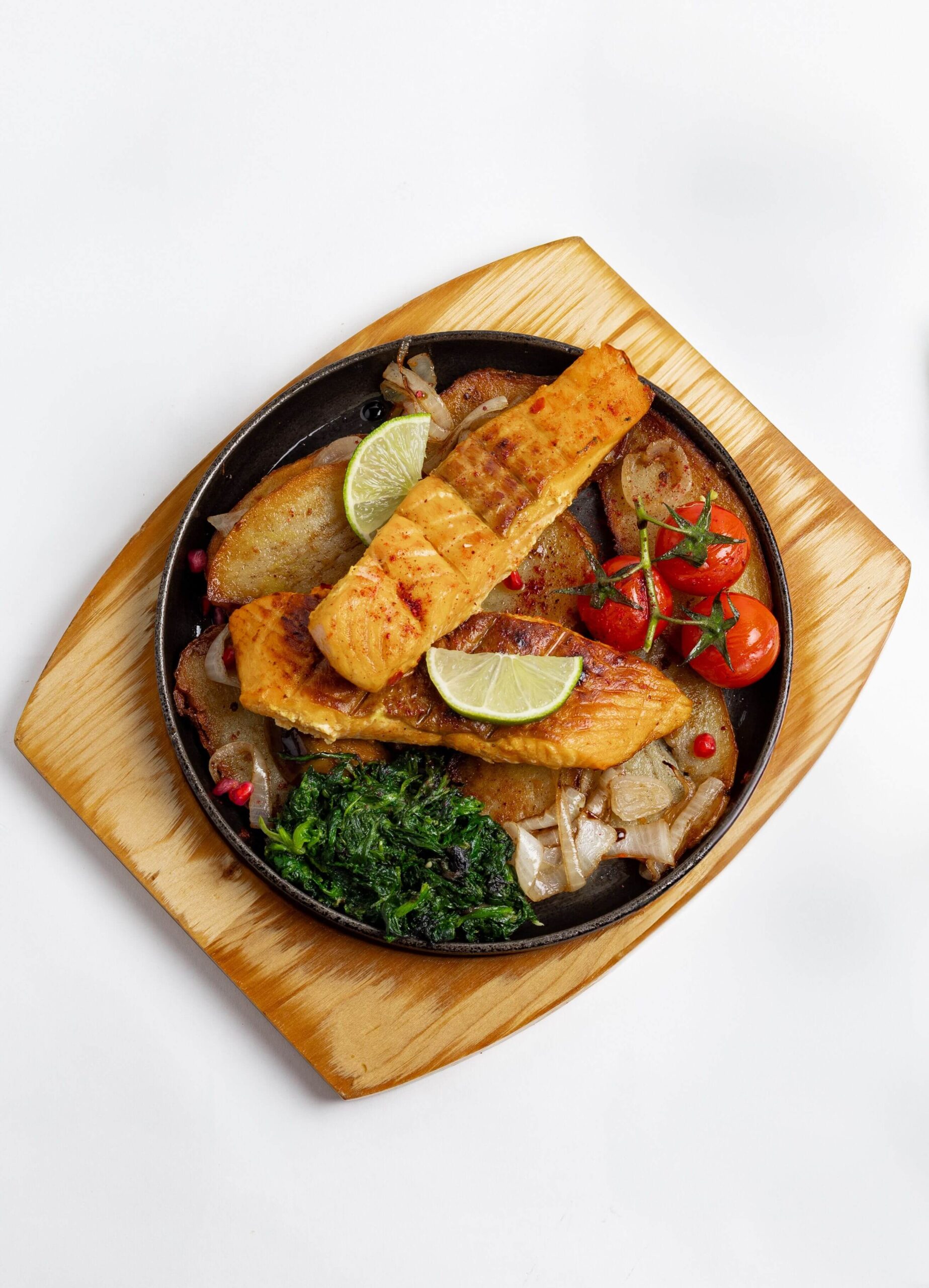
- Surface Dehydration: Pull the salmon from refrigeration 15 minutes prior to cooking. Blot the surfaces with paper towels until completely matte and dry to the touch. Season both sides with kosher salt and cracked black pepper immediately before they hit the pan.
- Initial Crust Formation: Heat your heavy stainless steel or seasoned cast-iron skillet over medium-high heat until the oil ripples. Lay the fillets down away from you to prevent hot splatter. Sear undisturbed for 4 minutes. Once the edges turn opaque and the crust naturally releases from the metal, flip carefully and sear the second side for 2 to 3 minutes. Transfer to a resting plate; the fillets should remain slightly underdone at the core.
- Sweating Aromatics: Drop the heat to medium. Add minced garlic and cherry tomato halves into the residual fond. Sauté for 60 to 90 seconds until the garlic turns fragrant and pale gold—do not let it brown into bitterness.
- Deglaze and Reduce: Pour in the chicken broth. Use a flat wooden spoon to scrape every bit of caramelized fish and butter sugars from the bottom of the pan. Simmer for 2 minutes until the liquid reduces by half.
- Emulsify the Cream: Reduce heat to medium-low. Slowly pour in the heavy cream while gently whisking. Bring to a calm, rolling simmer (not a violent boil). Whisk in the microplaned parmesan in two batches until completely melted and glossy.
- Wilt Greens & Finish: Fold in the baby spinach leaves. As soon as the spinach collapses into the sauce (approx. 90 seconds), nestle the seared salmon fillets back into the skillet along with their resting plate juices. Baste the warm sauce over the fillets for 2 minutes until internal core temperature reaches 130°F–135°F (55°C–57°C). Remove from heat immediately.
Professional Troubleshooting & Technique Matrix
| Symptom | Underlying Root Cause | Culinary Correction |
|---|---|---|
| Sauce splits or looks greasy | Simmering at excessive heat or using pre-shredded anti-caking cheese | Lower temperature to low simmer; always hand-grate Parmigiano-Reggiano from the block. |
| Salmon sticks or tears | Flipping prematurely before protein crust forms a clean mechanical release | Ensure pan is shimmering hot before adding fish; wait until bottom edge lifts freely without spatula force. |
| Overly thin sauce | Spinach introduced wet or broth not reduced adequately | Spin spinach completely dry in a salad spinner; let stock reduce by 50% prior to adding cream. |
| Bitter undertones | Scorched garlic during initial sweat | Regulate stovetop heat to medium-low before adding alliums, and deglaze within 90 seconds. |
Pairing and Plating Architecture
Because the garlic parmesan cream sauce delivers substantial richness and unctuous mouthfeel, accompaniments should provide structured starches to absorb sauce or bright acidity to cleanse the palate between bites.
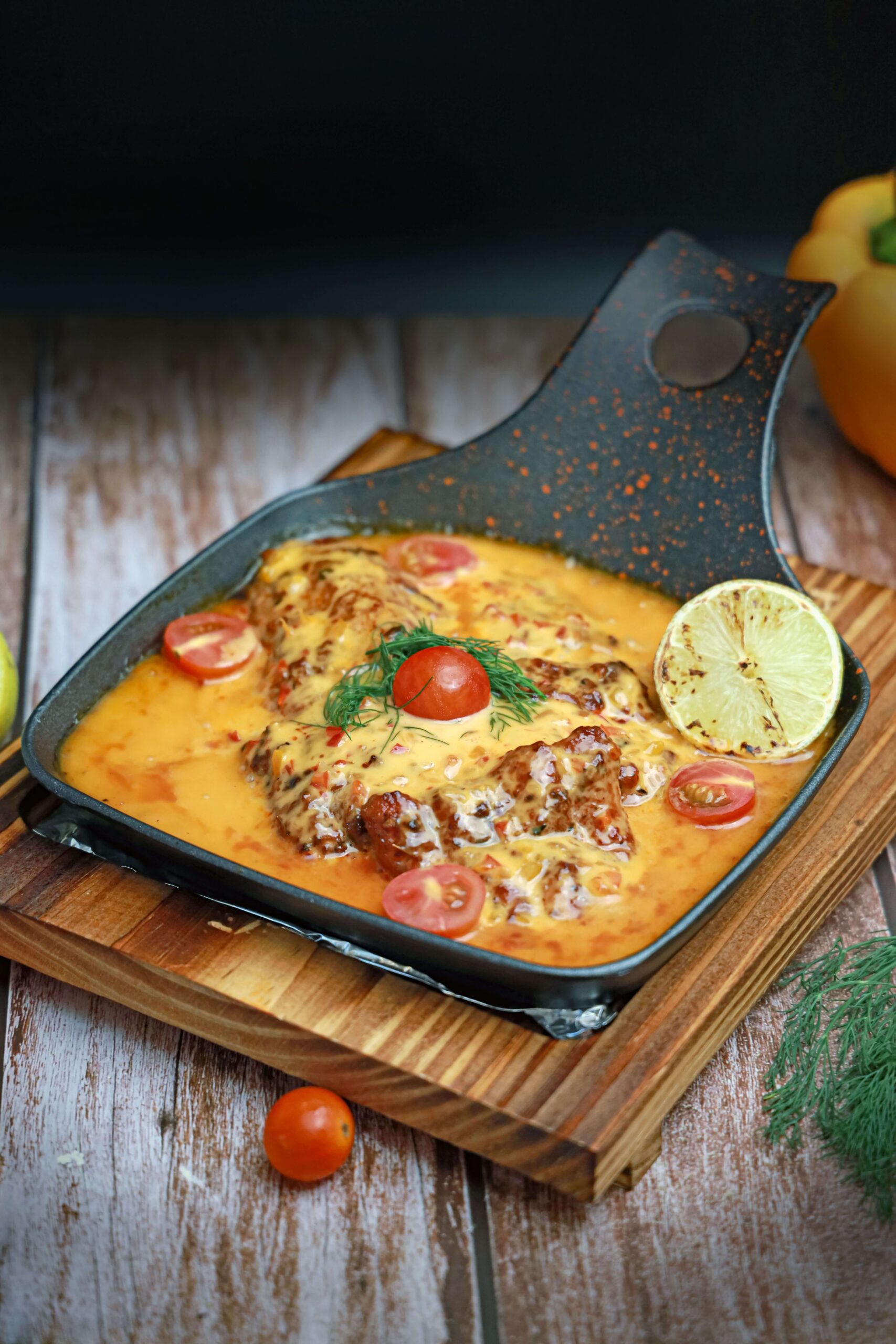
- Starch Foundations: Serve alongside warm crusty artisan sourdough, al dente fettuccine tossed in extra virgin olive oil, or fluffy jasmine rice.
- Low-Carb Alternatives: Butter-basted spiralized zucchini ribbons (zoodles), pureed garlic cauliflower mash, or blistered pencil asparagus.
- The Citrus Lift: Finish each plate with an immediate squeeze of fresh Meyer lemon juice across the fillet. The citric acid cuts dairy coating and accentuates oceanic sweetness.
Storage and Reheating Protocols
- Chilling & Shelf Life: Cool leftover fish and sauce to ambient room temperature within 45 minutes. Seal in an airtight glass container and store in the main refrigerator body (not door shelves) for up to 3 days.
- Skillet Reheating (Recommended): Avoid microwaves, which shatter dairy emulsion bonds and turn fish dry and rubbery. Instead, place salmon and sauce in a small skillet over low heat, add 1 tablespoon of stock or water, cover with a tight lid, and steam gently for 4 to 5 minutes.
- Freezer Notice: High-fat dairy sauces do not undergo freeze-thaw cycles cleanly. Freezing will fracture the emulsion and create a grainy, watery matrix upon thawing.
Frequently Asked Questions
Can I use skin-on salmon fillets?
Yes. Sear the skin-side down first for 5 minutes until crispy and rigid. When plating, spoon sauce around the base rather than over the top to keep the skin crisp.
Can I make this dairy-free?
Substitute full-fat unsweetened culinary coconut milk or cashew cream for the heavy whipping cream, and utilize nutritional yeast or dairy-free aged hard cheese alternatives.
What is the best way to handle sun-dried tomatoes instead of cherry tomatoes?
If using oil-packed sun-dried tomatoes, drain them thoroughly and slice into thin strips. Add them alongside the garlic so they soften and release their concentrated sweet-tart sugars into the pan oils.