Few aromas evoke kitchen comfort quite like a fresh loaf of banana bread rising in the oven. Yet, home bakers often encounter two frustrating extremes: a loaf that turns out unpleasantly dry and crumbly, or one with a dark, overbaked crust surrounding a dense, gummy center. Crafting bakery-quality banana bread relies on food science—specifically fruit ripeness, starch-to-sugar conversion, and moisture-binding emulsions that guarantee a tender, velvety crumb slice after slice.
The Science of Banana Ripeness: Enzymatic Breakdown
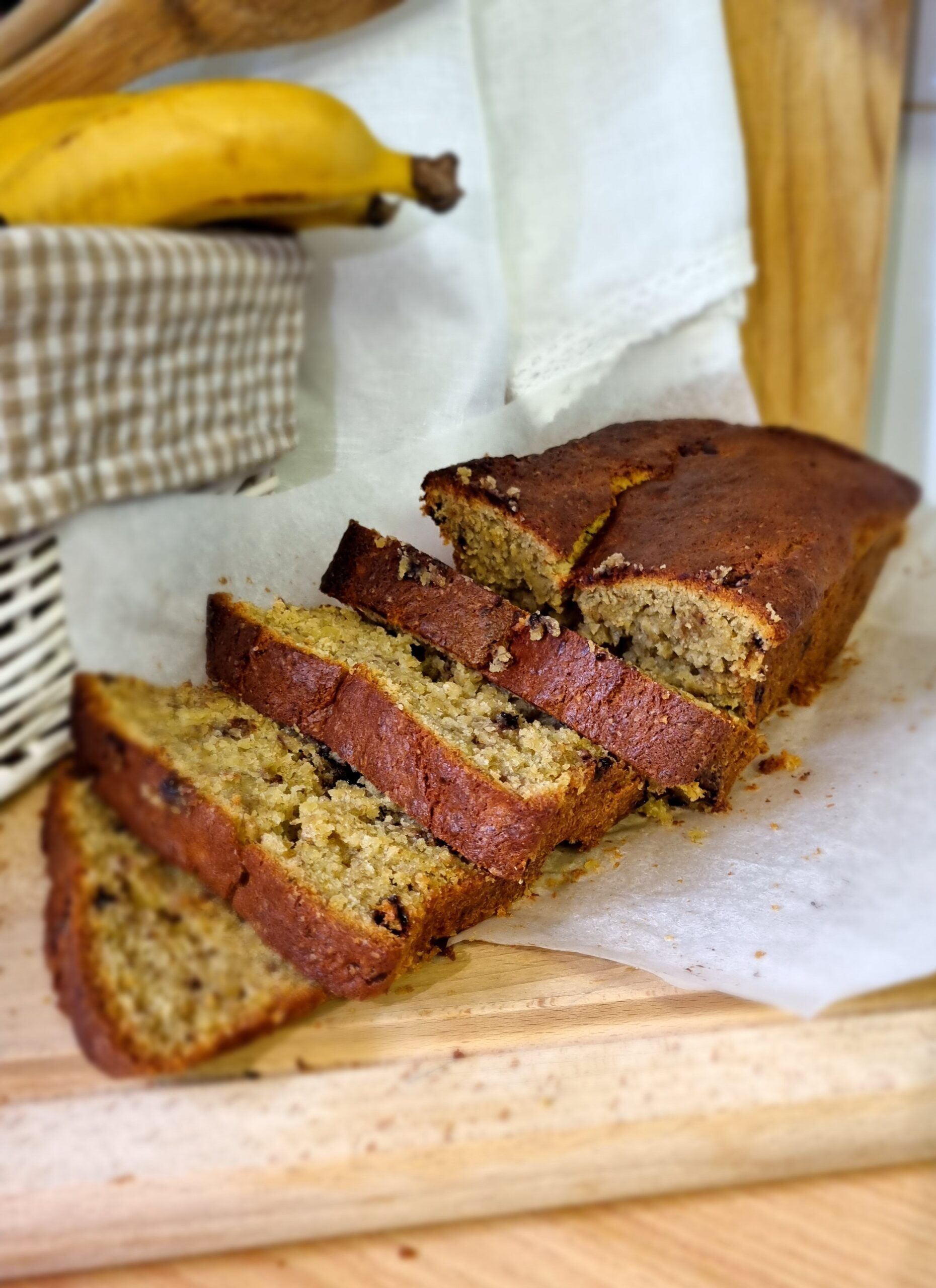
Yellow bananas with green stems may taste pleasant raw, but they ruin quick breads. Unripe fruit contains high levels of long-chain insoluble starches and low volatile aromatics. As bananas ripen and develop deep brown or black specks, several chemical reactions take place:
- Starch-to-Sugar Conversion: Amylase enzymes break down rigid starches into simple fructose and glucose, naturally sweetening the batter without requiring cups of refined granulated sugar.
- Pectin Dissolution: The fruit’s structural pectin softens completely, allowing the bananas to blend seamlessly into the batter as a liquid fat substitute.
- Moisture Retention (Hygroscopy): Naturally converted fruit sugars are hygroscopic—meaning they pull and hold onto environmental moisture, preventing your loaf from drying out on the counter.
Butter vs. Oil: The Texture Debate
Bakers frequently debate whether to use melted butter or neutral vegetable oil in quick breads. The ideal solution combines the best of both worlds:
- Melted Butter for Flavor: Real dairy butter contains water and milk solids that brown during baking, adding depth, toasted caramel notes, and a rich mouthfeel.
- Oil for Lasting Tenderness: Liquid oil remains 100% liquid at room temperature, ensuring your bread stays soft and springy even after three days on the counter.
- The Golden Ratio: Using equal parts melted unsalted butter and neutral avocado or vegetable oil delivers unmatched flavor alongside lasting tenderness.
Essential Ingredients and Measurements
| Ingredient | Measurement | Functional Role in the Crumb |
|---|---|---|
| Heavily Speckled Bananas | 3 large (approx. 1 1/2 cups mashed) | Supplies natural sweetness, fruit pectin, and long-lasting moisture. |
| All-Purpose Flour | 2 cups (250g), spooned & leveled | Provides enough protein structure to lift the heavy fruit batter without toughness. |
| Unsalted Butter (Melted) | 1/4 cup (60ml) | Imparts rich dairy aromatics and creates a golden outer crust. |
| Avocado or Neutral Oil | 1/4 cup (60ml) | Keeps the crumb springy and moist for multiple days at room temperature. |
| Dark Brown Sugar (Packed) | 3/4 cup (150g) | Adds natural molasses notes and deep caramelization during baking. |
| Large Eggs | 2 whole (room temperature) | Provides emulsifying lecithin and binding structure for a clean slice. |
| Baking Soda | 1 teaspoon | Reacts with the acidic brown sugar and fruit to leaven the dense batter. |
| Fine Salt & Cinnamon | 1/2 tsp salt + 1/2 tsp cinnamon | Balances sweetness and introduces subtle warm spice notes. |
Step-by-Step Baking Protocol
- Preheat Oven & Prep Pan: Preheat your oven to 350°F (175°C). Line an 8.5×4.5-inch metal loaf pan with parchment paper, leaving an overhang on the long sides to use as a lifting sling. Lightly grease exposed edges.
- Mash the Fruit: In a medium mixing bowl, mash the peeled overripe bananas with a sturdy fork or potato masher. Leave small pea-sized chunks for moisture pockets throughout the baked bread.
- Whisk Wet Ingredients: Whisk the melted butter, oil, brown sugar, room-temperature eggs, and pure vanilla extract into the mashed bananas until thoroughly emulsified and glossy.
- Gently Fold Dry Ingredients: In a separate bowl, whisk together the flour, baking soda, ground cinnamon, and salt. Pour the dry mixture into the wet bowl. Using a rubber spatula, fold gently just until no dry flour pockets remain. Do not overmix; overworking develops gluten, resulting in a rubbery loaf.
- Bake to Deep Amber: Pour batter into the prepared pan and smooth the surface. Bake at 350°F for 55 to 65 minutes. If the top browns too quickly at the 40-minute mark, tent loosely with a sheet of aluminum foil. The loaf is done when a wooden skewer inserted into the center emerges clean or with a few moist crumbs.
The Crucial Cooling Phase
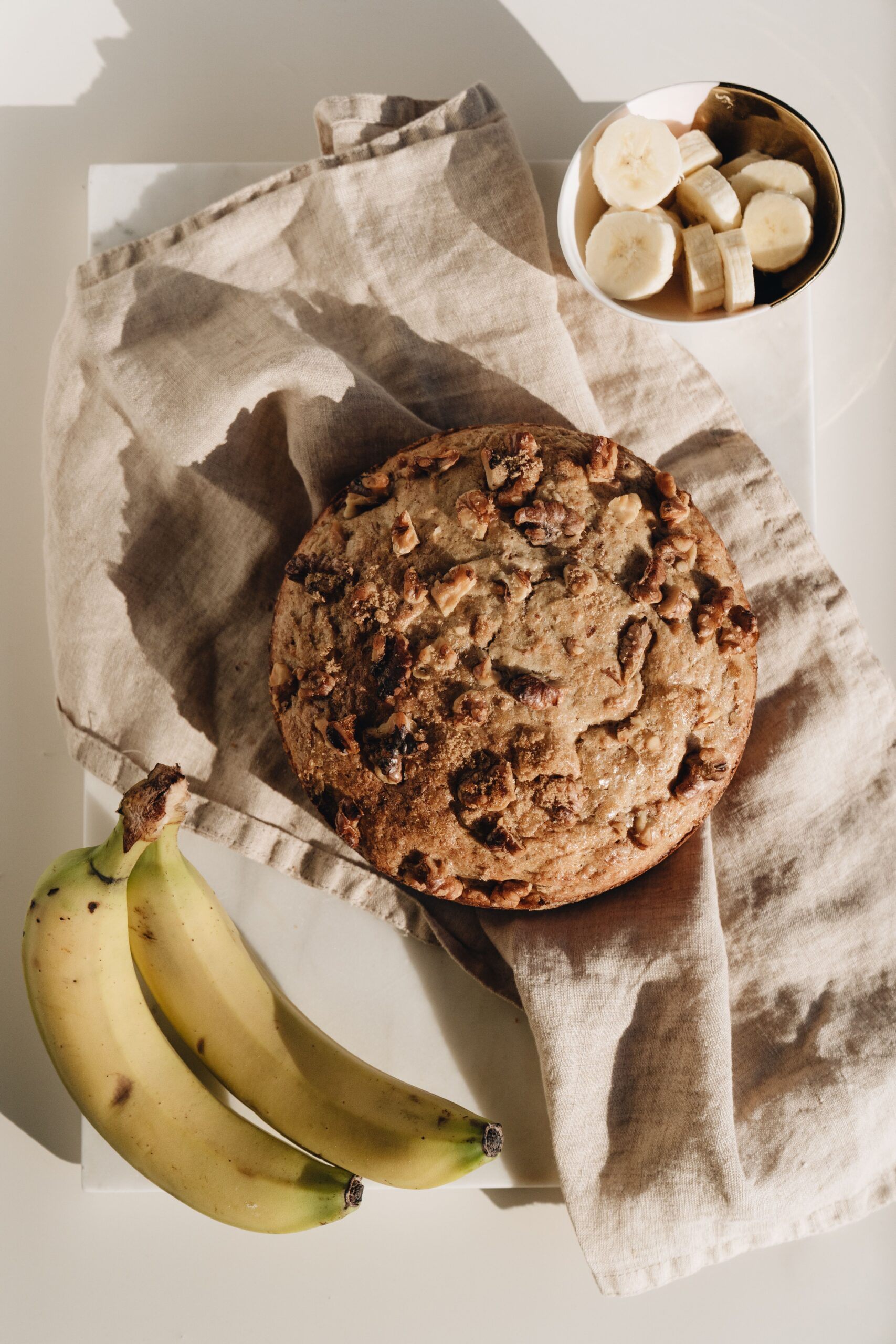
Resist the temptation to slice into a steaming loaf straight from the oven. As banana bread bakes, trapped steam helps set the delicate starches. Slicing too early causes that steam to evaporate instantly, leaving the remaining bread dry and crumbly. Allow the bread to rest in the pan for 15 minutes, then use the parchment sling to lift it onto a wire rack to cool completely for at least 90 minutes before slicing.
Frequently Asked Questions
Can I ripen yellow bananas quickly for this recipe?
Yes. Place unpeeled yellow bananas on a baking sheet and bake at 300°F (150°C) for 15 to 20 minutes until the skins turn completely black. Let them cool, peel, and mash as directed.
Can I add nuts or chocolate chips?
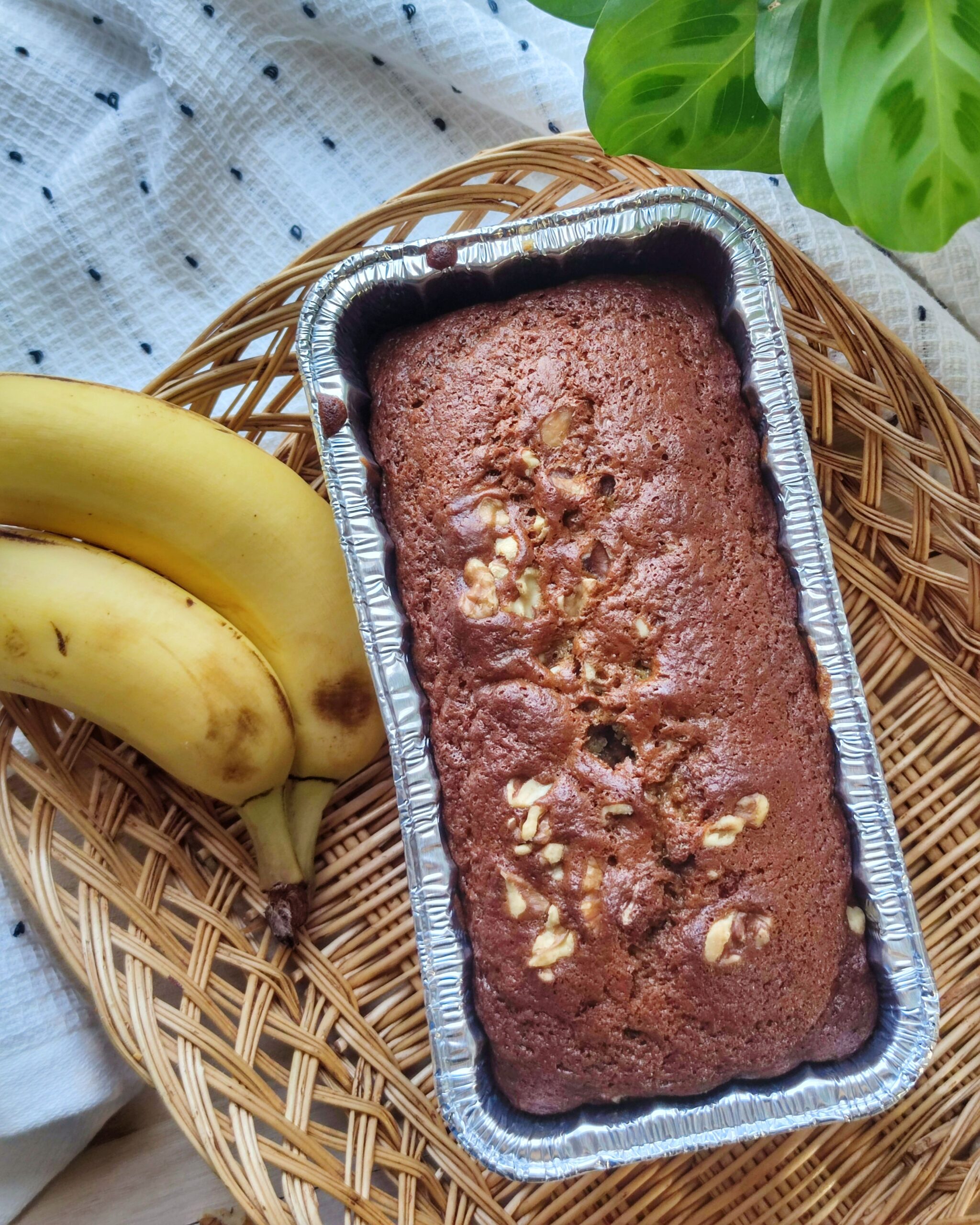
Fold in up to 1/2 cup of toasted chopped walnuts, pecans, or dark chocolate chunks during the final flour folding step.
How should I store homemade banana bread?
Wrap the cooled loaf tightly in plastic wrap or store in an airtight container at room temperature for up to 4 days. You can also freeze individual slices wrapped in parchment and foil for up to 3 months.